In Memoriam: The Passing of Lady Ciarnait inghean uí Mheadhra (Elizabeth Ravenscroft)

Courtesy of the Knowne World Memorial Shield Project

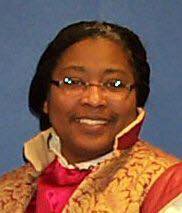
Lady Ciarnait inghean uí Mheadhra (Elizabeth Ravenscroft) passed away on Thursday morning, February 22nd, 2018. No information on memorial services was available at the time of publication.

Over the years she was apprenticed to Mistress Bess Darnley, then she became the protege of Countess Comyn Hrothwyn of Goldum Aecum (Shadow) Bess returned to Canada. She also was fostered as apprentice to Mistress Luciana di Ridolfi of blessed memory. 

She was a strong and supporting member of the Shire of Dun Ard, who worked hard to maintain the group. Between her work and health her activity level in the SCA dropped off over the years but any event held in Dun Ard had her hand in planning in some capacity.

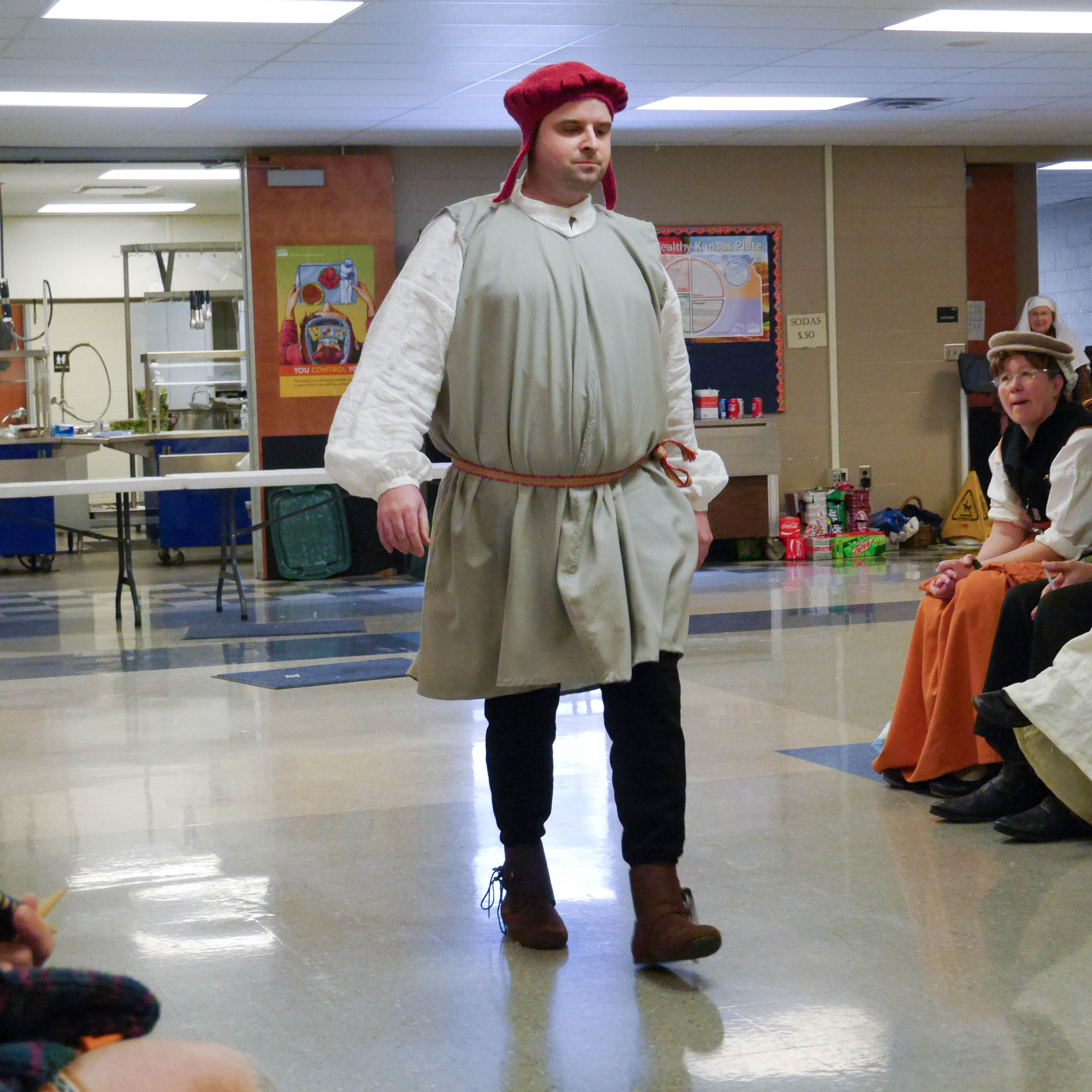
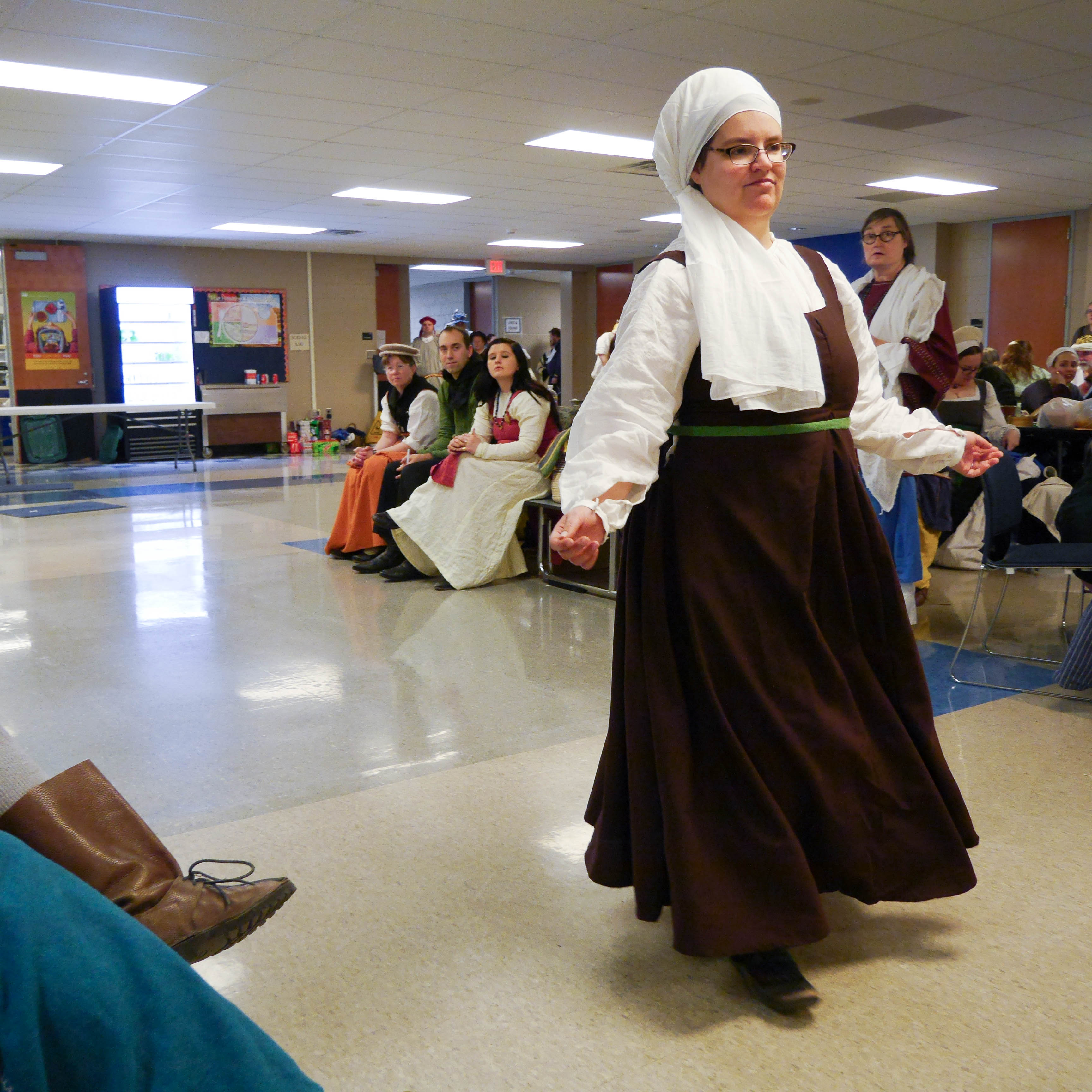
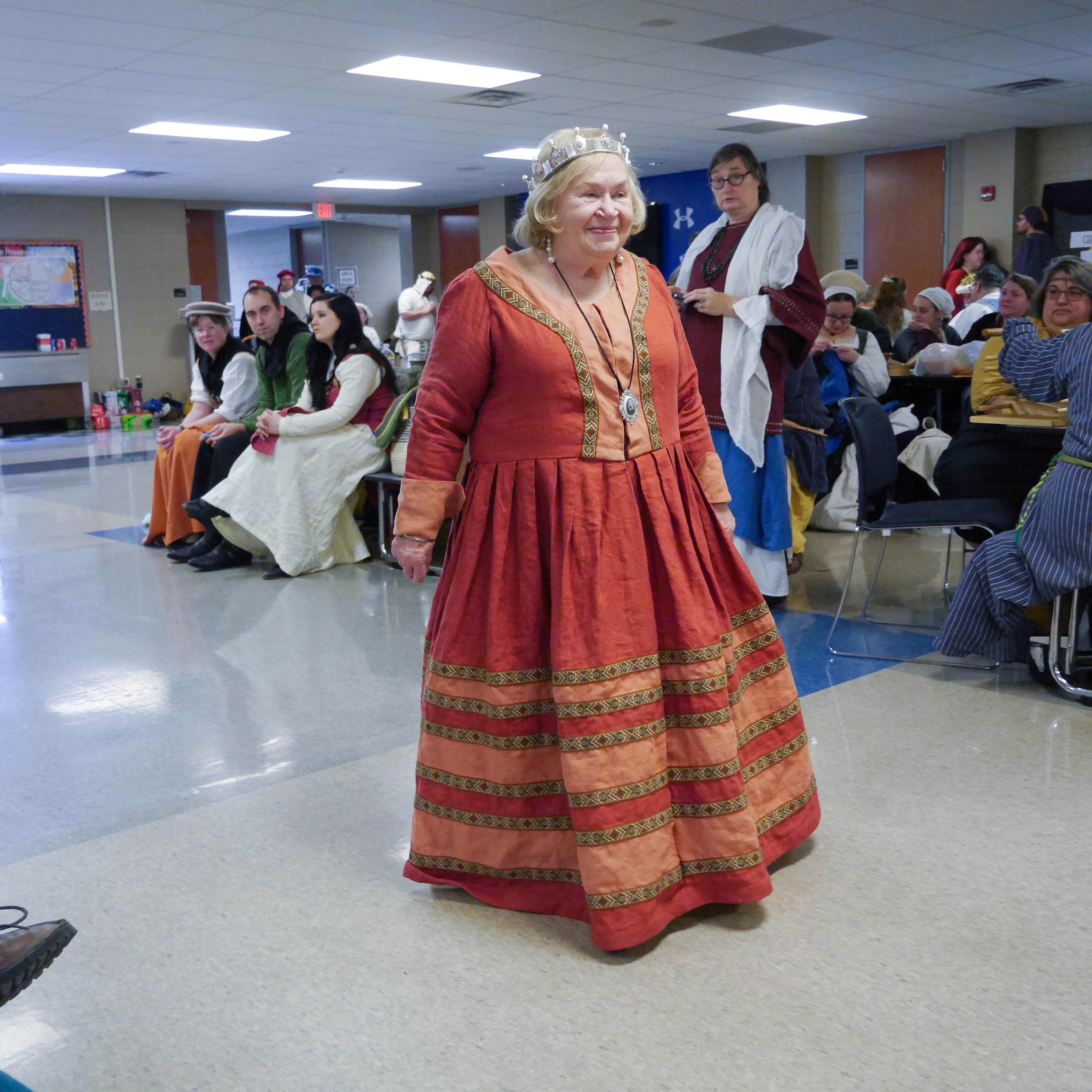
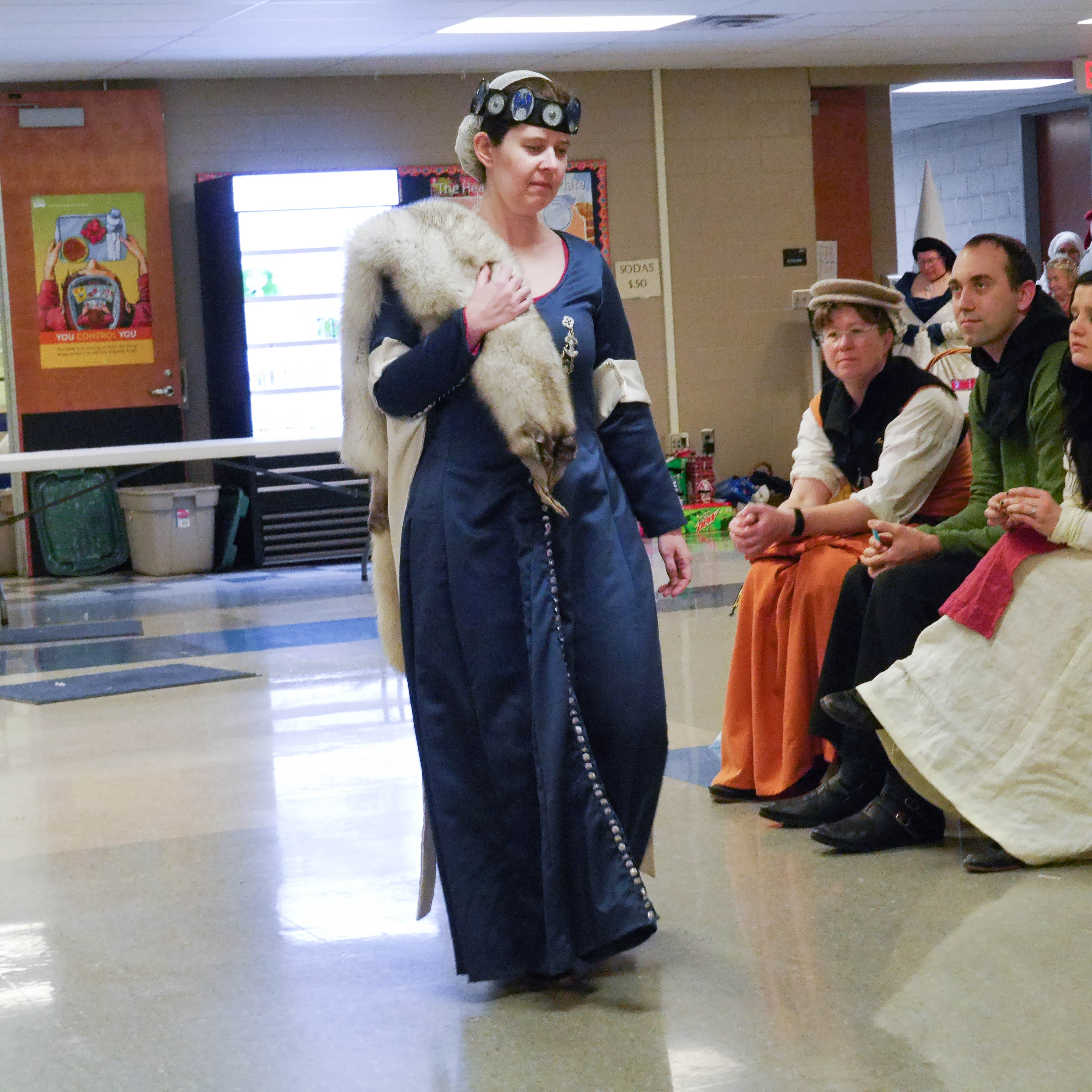
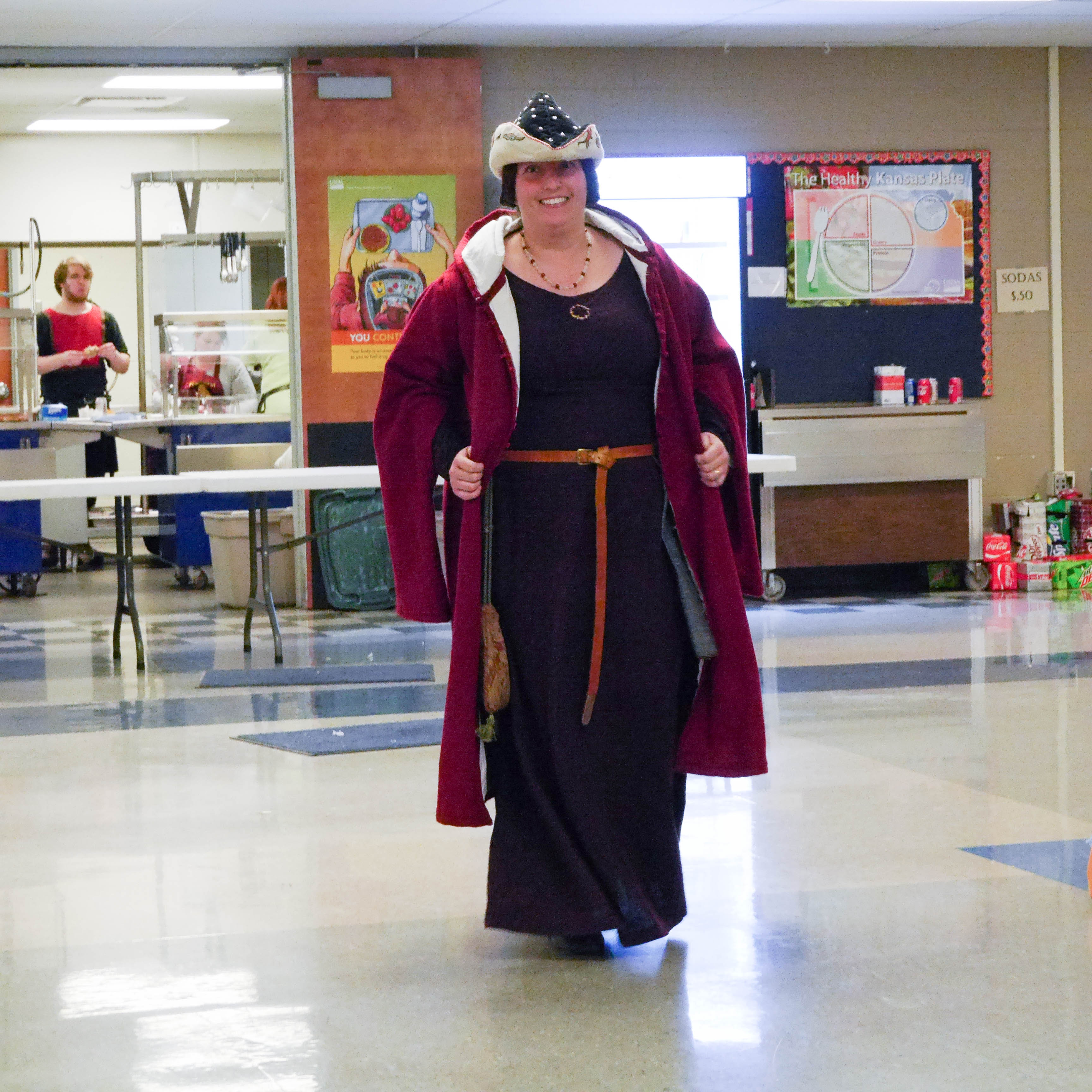
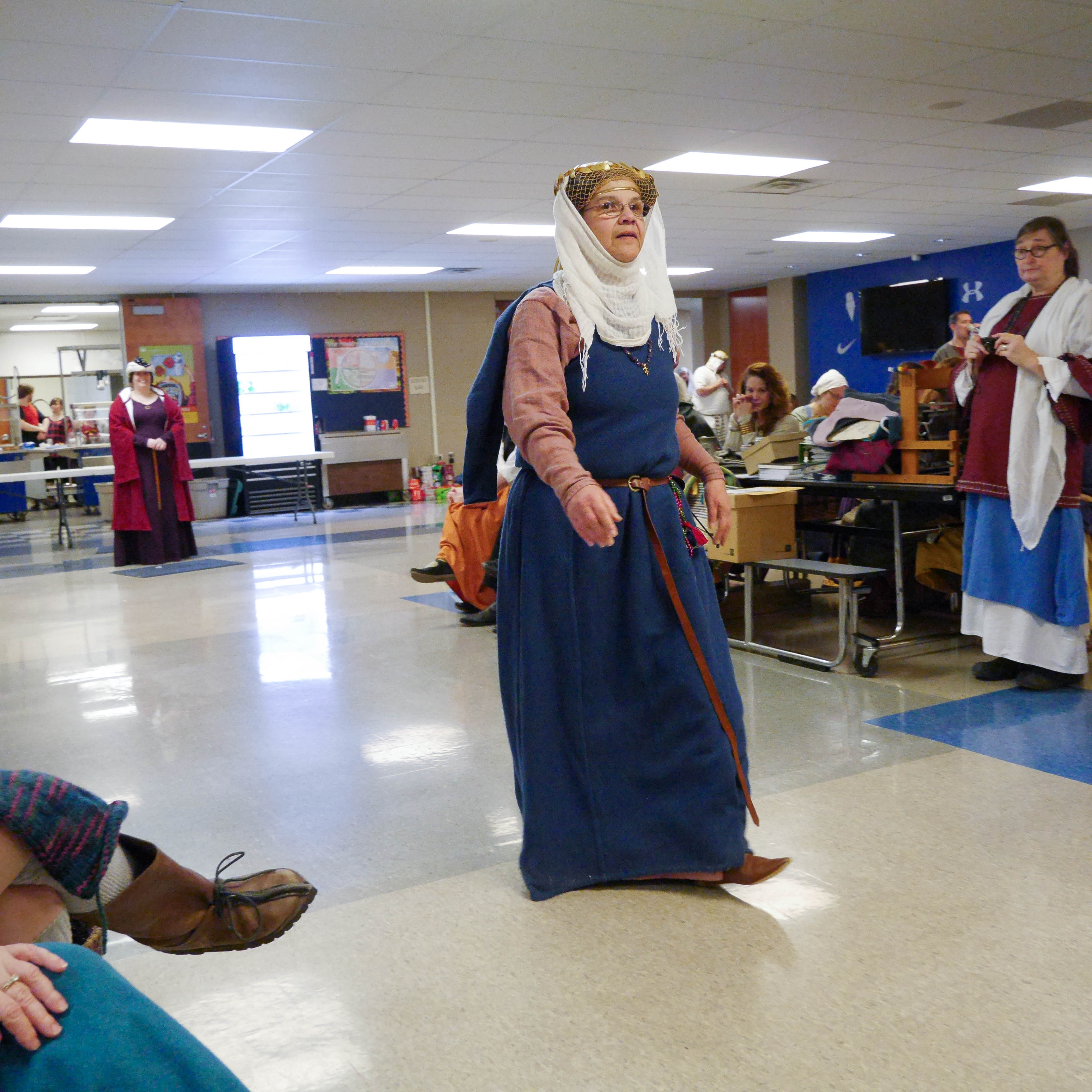
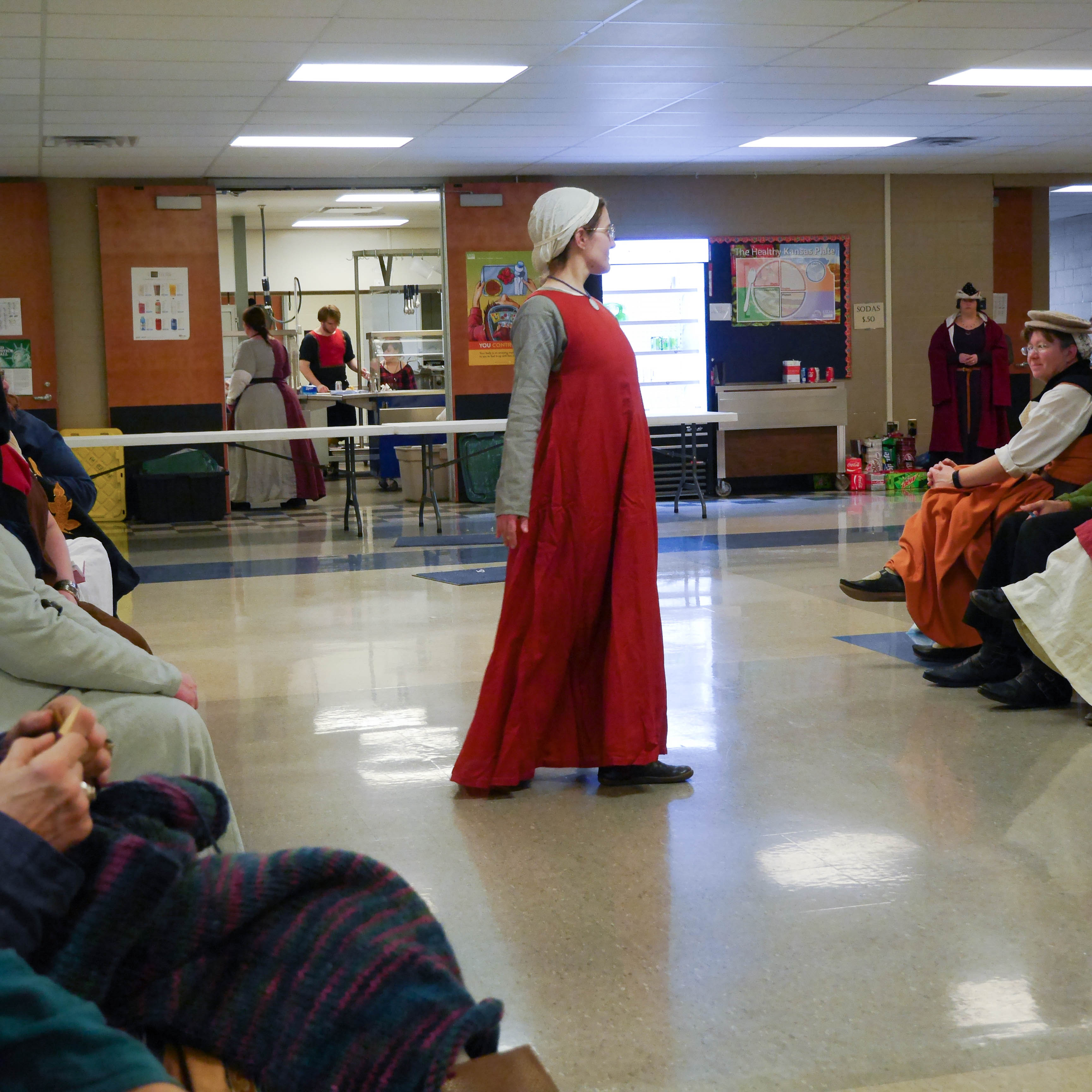
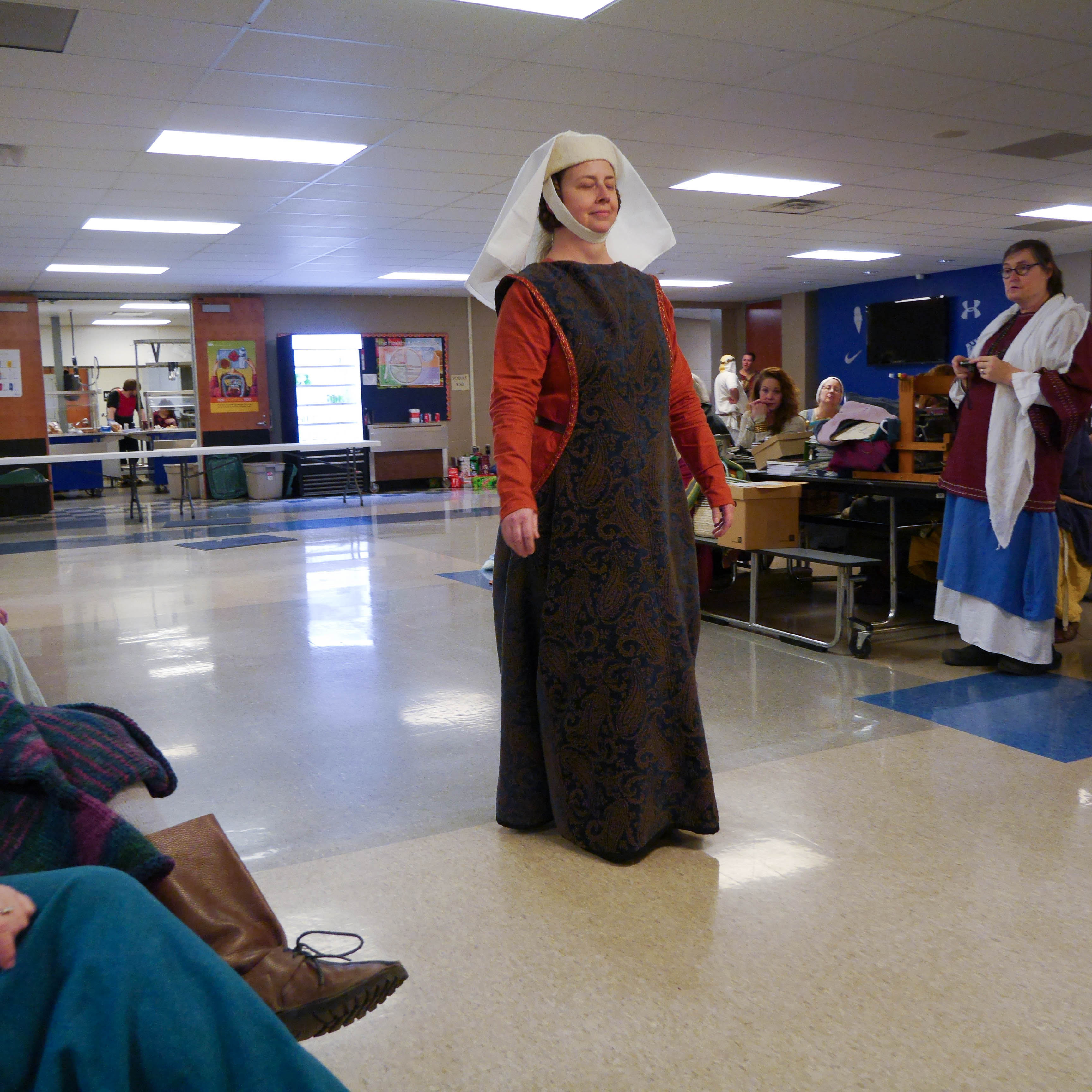
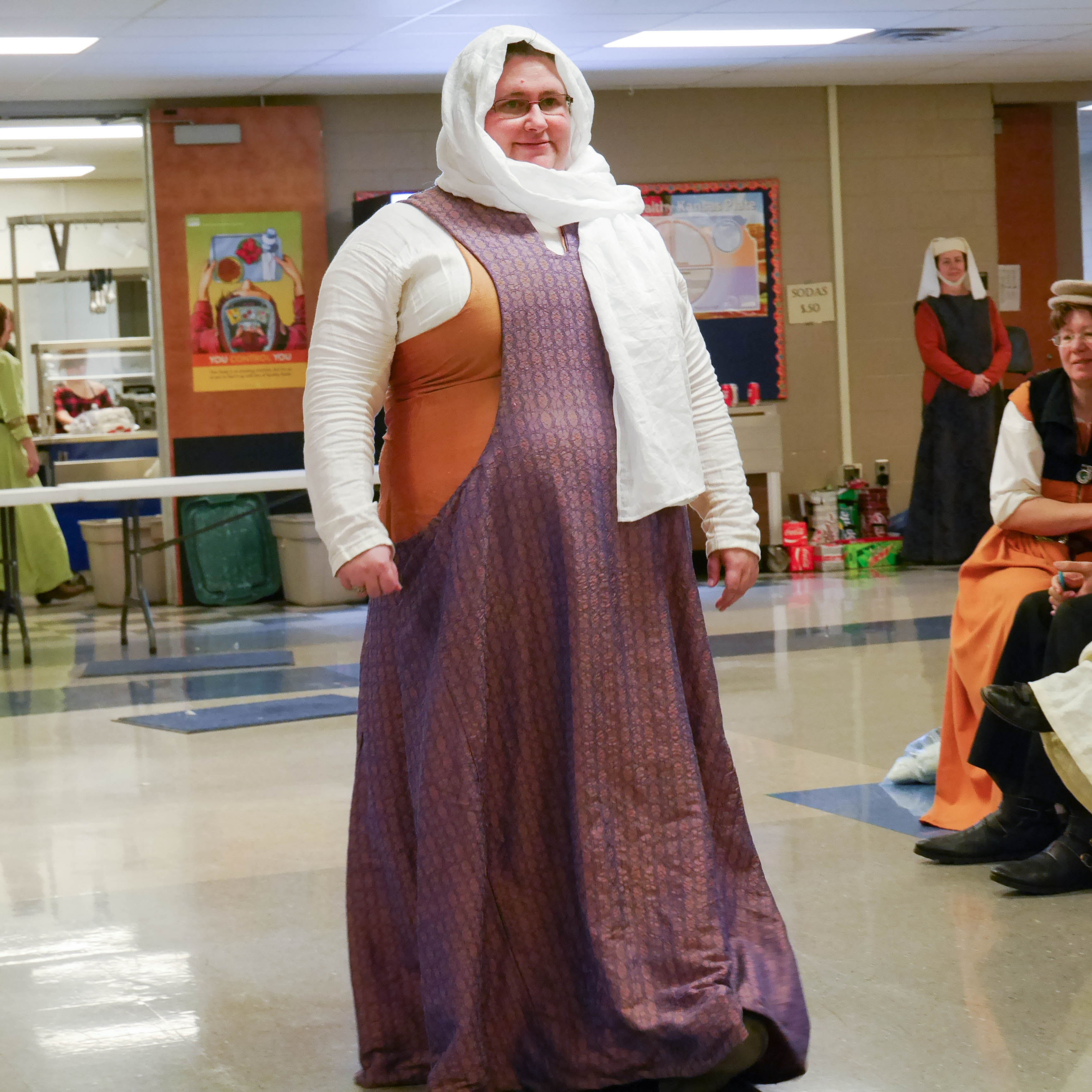
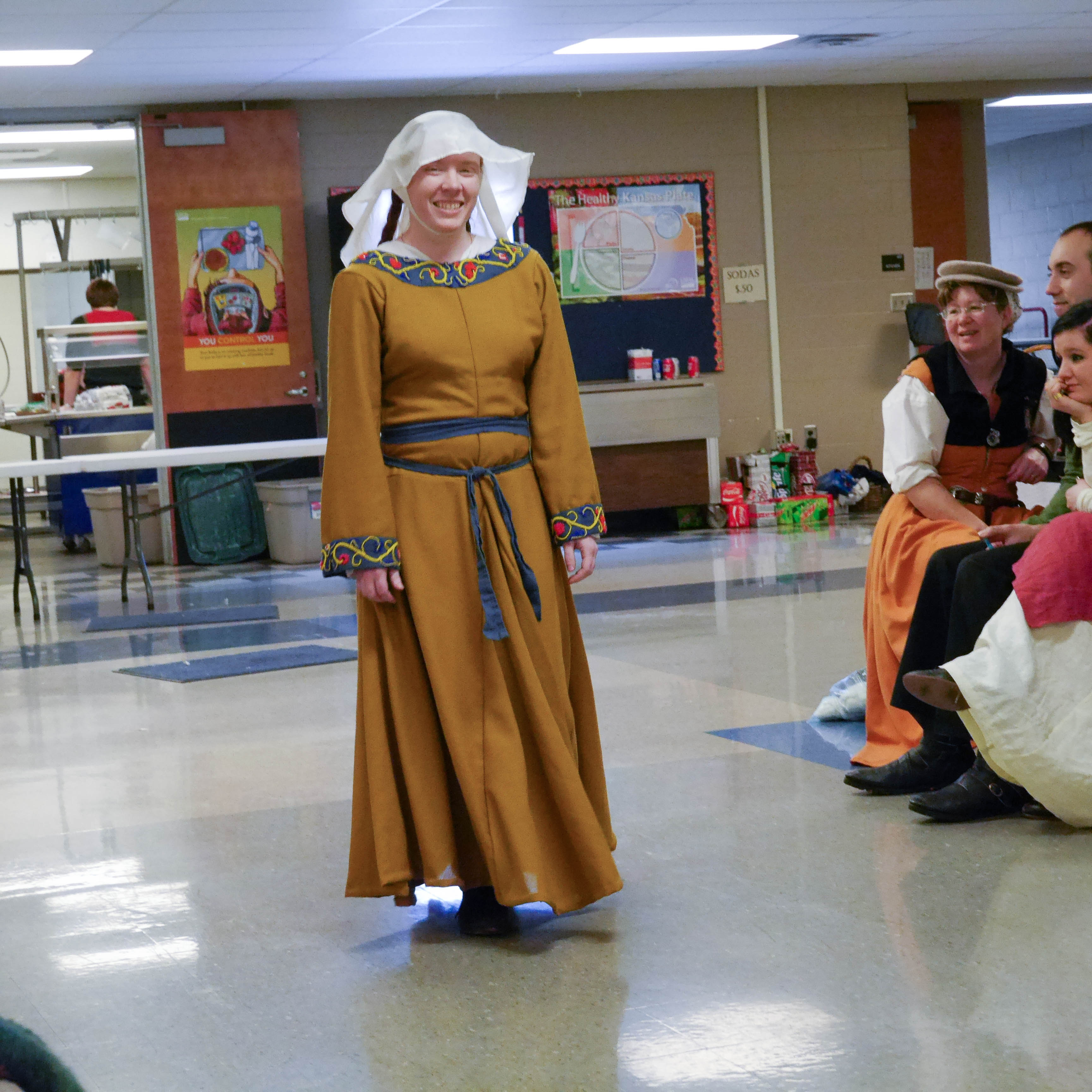
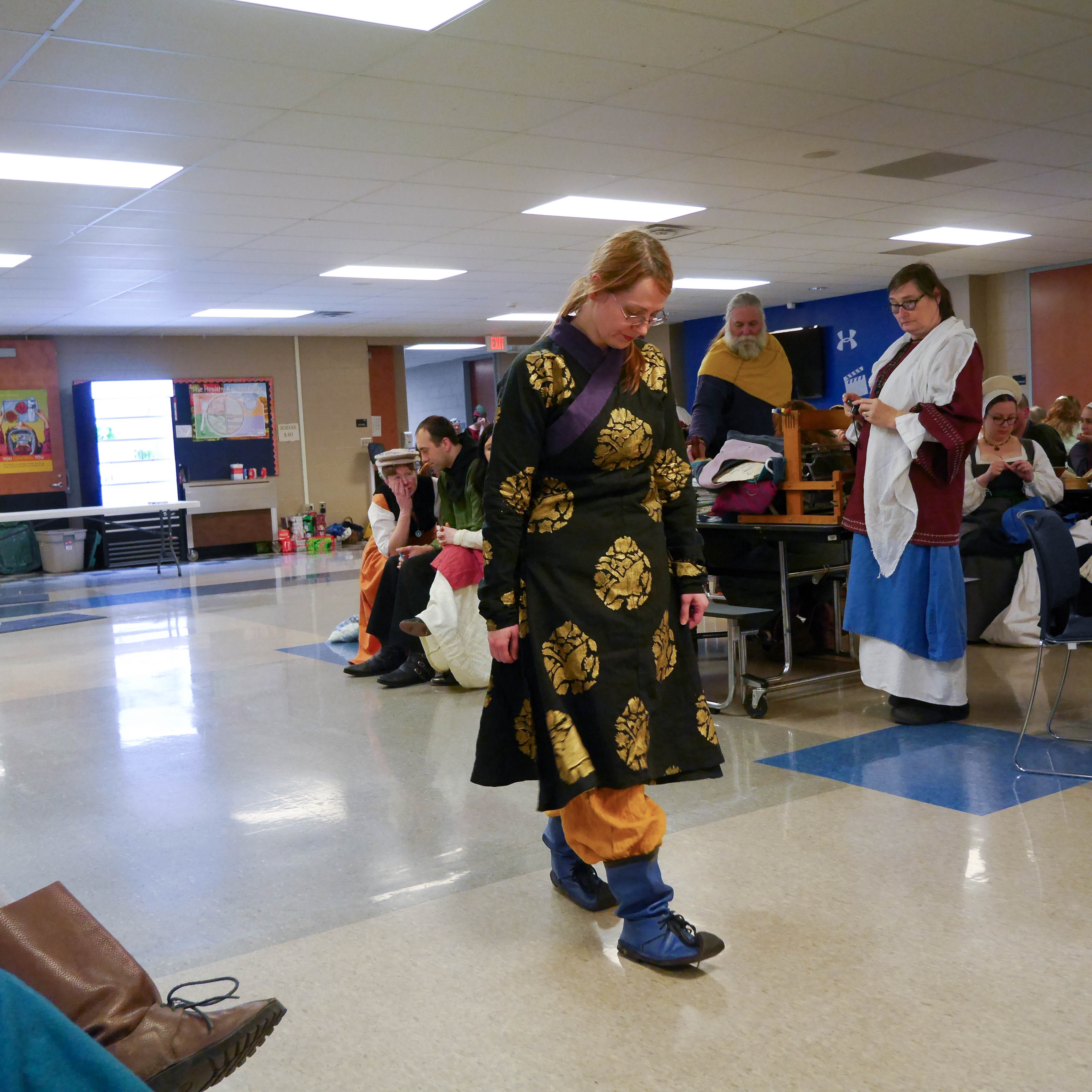
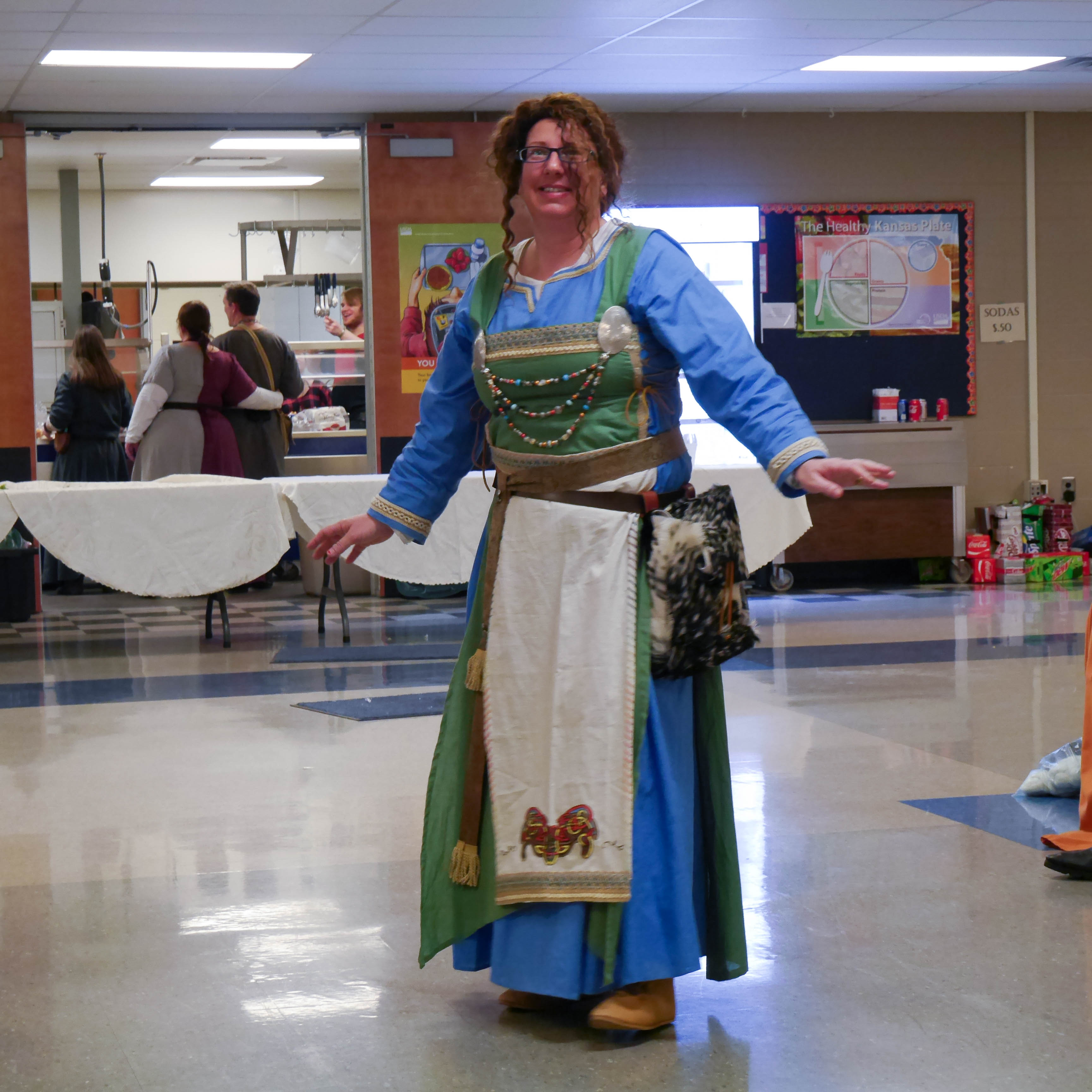
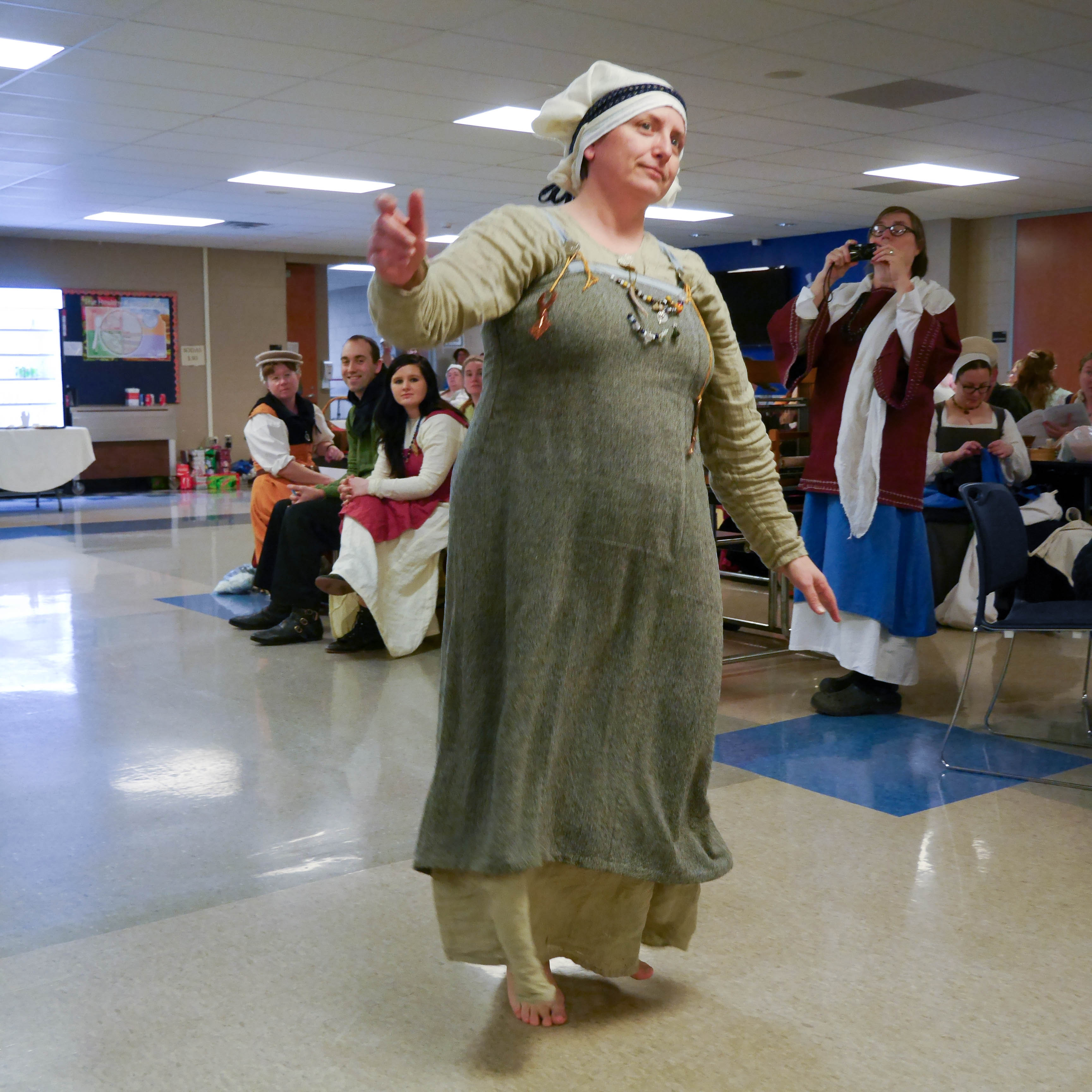
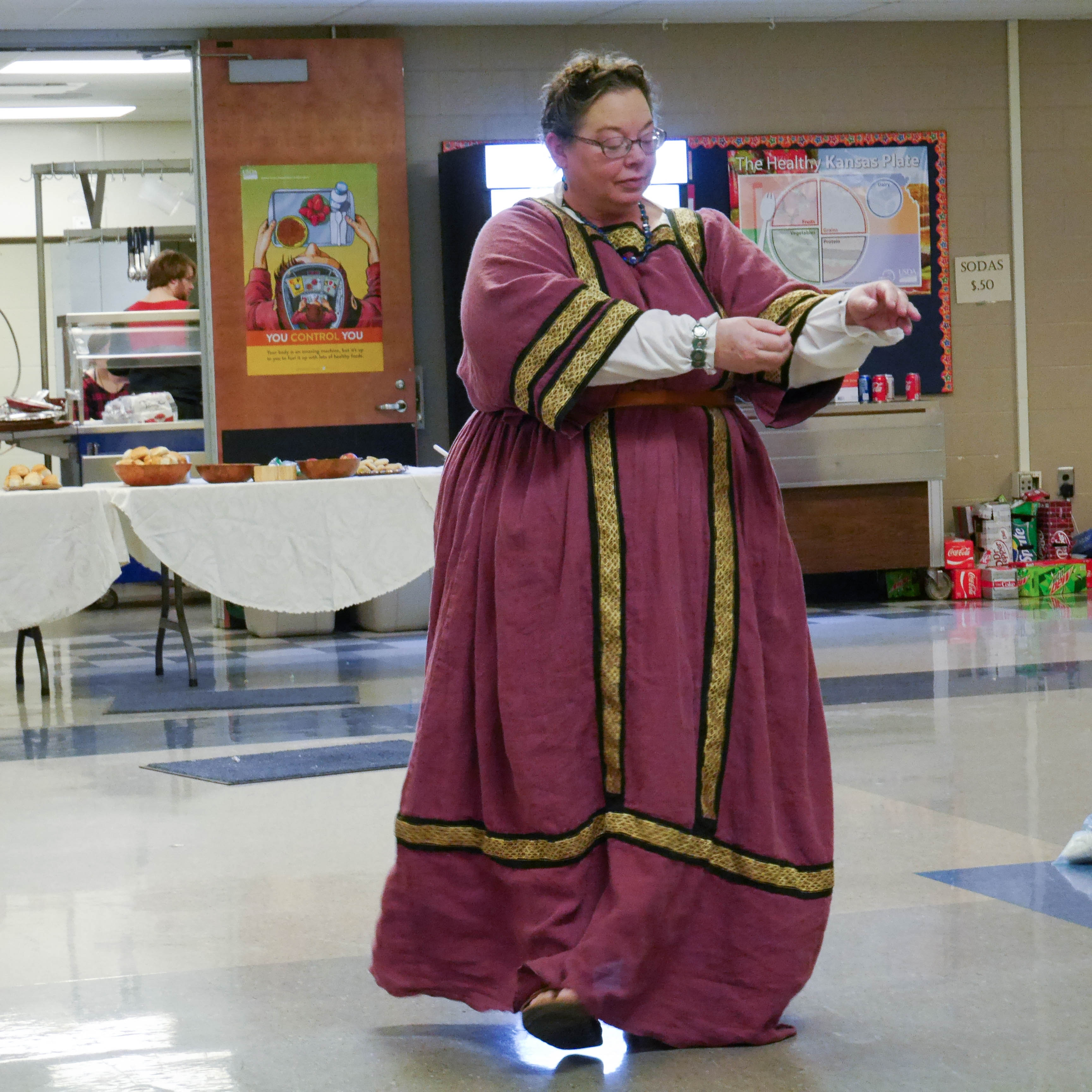
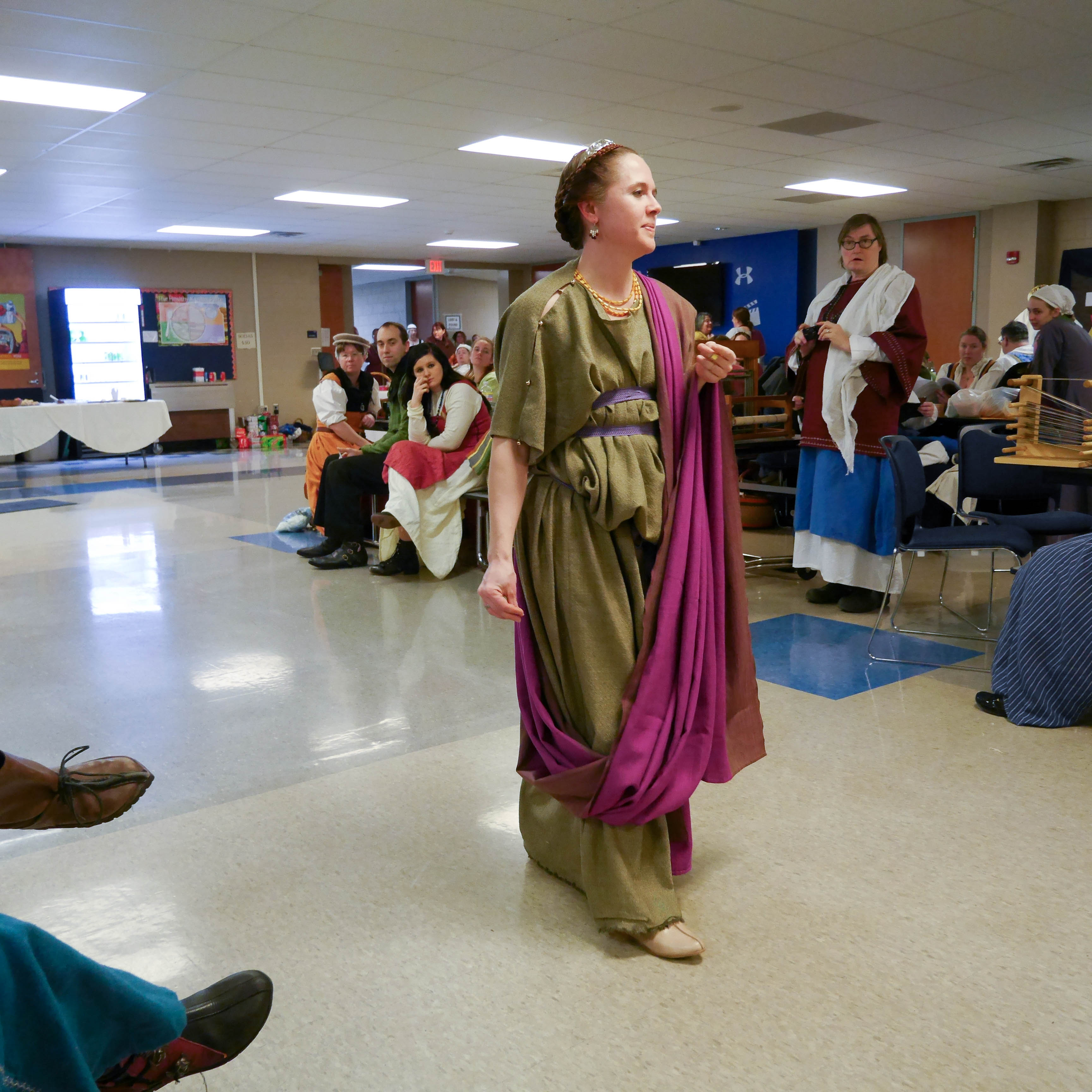
She was also a talented costumer, who produced beautiful Elizabethan garb.

Bess: “She truly was a gentle soul who had no real idea of the positive impact she had on people around her.”

Shadow: “She always had a willing, open heart and an ‘helium hand’ when helping others discover her love of costuming and the SCA. Her life didn’t allow her participation sadly but she was there helping in the shadows. She will be missed.”


Ed. Note:  A previous version of this article misstated the order of Elizabeth’s peer relationships. This has been corrected.

Dan Carlin’s Hardcore History Review

Dan Carlin’s Hardcore History
“Thinking Outside Pandora’s Box”
By Dan Carlin
https://www.dancarlin.com/hardcore-history-series/

Carlin is a former television reporter and radio talk show host who migrated to podcasts and blogs in 2005. His first podcast, Common Sense, discusses politics and current events. In 2006 he began Hardcore History, his unique take on history’s more “hardcore” aspects, mainly war, genocide, Armageddon and similar exciting themes.

In the most recent episode, posted in August 2017, Carlin takes a long, long look at indigenous tribal people up against the encroachment of technologically superior or organizationally superior cultures. After a long preamble, he launches into a discussion of Julius Caesar’s wars in Gaul, which he’s titled “The Celtic Holocaust.” His contention is that, unlike African or Native American tribes, “These people had a chance to win” even though they were “never the betting favorites.”

He points out that the Celts, Gauls and Germans were able to field large armies. Disease hadn’t ravaged the local populations the way it did in the Americas. And their weapons and warfare were similar, although the Romans had some missile technology the tribes didn’t. He also notes that the Romans had superior armor. But what they had most was organization.

This episode is fascinating, and Carlin backs everything up with either original source material (translations of Caesar’s works, and he notes which translation he’s using) or the opinions of experts in the subject. Sometimes he’ll read a passage from Caesar’s work, then follow it with a look at the Roman political situation. Why did Caesar want to focus on this aspect or exaggerate that number? What did it gain him back home? And where do Caesar’s justifications wear thin?

This is the only episode I’ve listened to so far. Carlin only issues two or three new episodes every year. The most recent ones are anywhere from five to seven months apart. But he makes up for this with very long episodes. Episodes 56-58 look at the ancient Achaemenid Persian empire. Those three episodes total nearly 13 hours. Episode 60, “The Celtic Holocaust” is just a few seconds shy of six hours.

It wasn’t always like this. Wikipedia says his first episode in July 2006, “Alexander Versus Hitler,” was only 16 minutes long. The next 15 episodes ranged from a half hour to just shy of an hour. After that they ranged from two to five hours in length.

Most of these are no longer available unless you purchase them from his website. Episodes 50 through 60 are available on iTunes, Stitcher and so on, as well as on his website, for free. A compilation of episodes 1-49 is $69.99, although you can purchase smaller groups of podcasts for $4.99 to $9.99. He also sells “extras,” the stuff that didn’t make it into an episode, for $1.99 each, such as “Wrath of the Khans” to accompany episode 47. (For the life of me, I can’t understand what didn’t make it into a five-episode, 8.5-hour topic.) Carlin also has a place to donate on his site, although he only mentions it at the end of the episode – very low key.

Carlin’s Hardcore History is wildly popular. Each new episode is downloaded by millions of people. And if you like the kind of long-form history that compares conditions in one time or place with another, or with contemporary issues, you’ll appreciate Carlin’s take.

At one point he notes that Caesar’s forces were blindsided in an ambush and wonders if Caesar had been killed then, would Rome’s borders have stayed much smaller? Without Caesar, would there have been an empire at all? He asks what would have happened if the Europeans in the Americas had faced a 100,000-strong native army. Would “manifest destiny” have occurred? Such thought arguments weave through his material.

At another point he implores his listeners to “imagine the human suffering” that followed a siege. He remembers the women and children, and what happens to them when their side loses. He asks what would you give your life for? Is freedom worth it? Is it worth the threat of imprisonment, slavery, rape, torture or death? He notes the Gauls risked all for freedom from Rome and went from being political slaves to actual slaves.

Each episode has its own webpage and artwork. The “Celtic Holocaust” episode’s striking artwork looks like the cover of a book. The page also includes a map of Caesar’s trips through Gaul and a list of “Tribes/Names/Places” with definitions. The first “King of Kings” episode begins with a brief video clip. That’s followed by a list of nearly 30 people and places with definitions. The third Persian episode’s webpage includes a map of the Battle of Plataea and a family tree of the ancient Persian kings. There’s pretty decent content to accompany each episode.

Carlin’s Hardcore History doesn’t follow a sequential timeline, so there’s no way to know what he’ll cover next. And it isn’t all pre-17th century history. Episode 59 looks at the nuclear arms race and asks “What happens if human beings can’t handle the power of their own weaponry?” Episodes 56-58 head back into the ancient world but episodes 50-55 cover World War I. Carlin’s most recent podcast was episode 60, although by the time this posts he may have issued episode 61.


Chieftains Court Summaries, February 24, A.S. 52

As always, corrections, especially to spellings of names, will be gratefully accepted.

On the field:
Kitsu no Taro – Stile Hirth

Evening court:
Yngvarr Bjarnarson – AoA
Matthew of Three Rivers – AoA
Finan mac Domnaill – Torse
Caitlyn Rochwendottir – Queen’s Chalice
Uaithne ingean ui Ruiarc – Torse
Aurelia Paulina – AoA
Skuli Bjarnylr – AoA
Padraig of Three Rivers – AoA
Sancha Lestrange – Torse
Elys Hawkill – AoA
Osric Reyner – Torse

Other court tidings:
Letters of intent for Crown Tournament are due by March 31.
The Barony of Three Rivers presented largess.
The new floor for the Royal Pavillion was presented.
7 newcomers received mugs.
The Shire of Calanais Nuadh presented largess.
A boon was begged for Katherine d’Arles to join the Order of the Pelican.
Duchess Mærwynn of Holme received her Ducal scroll, due since the reign of Anton II and Isabeau.
The Shire of Wyvern Cliffe presented a tithe, to be used for the Fourth Company.
Lord Cerric aet Blaecac, Honorable Lady Fiondel Songspinner, Honorable Lady Geva de Kent, and Master Grimwulf Harland have all been nominated for a Blackfox Award.
Duchess Aislinn Morcroft is the new Chancellor of RUSH.
A boon was begged for Jaida de Leon to join ther Order of the Pelican.

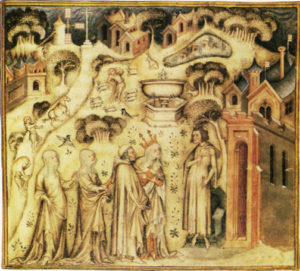
French miniature, 14th Century. Nature offers Machaut three of her children – Sense, Rhetoric, and Music. Public domain in the US

Winter War Maneuvers Court Summary, February 17, A.S. 52

In evening court:
Ren Jie – Torse
Stephen of Mag Mor – AoA
William Turner – Torse
Fastmundr Eldjarnsson – Leather Mallet

Other court tidings:
Their Royal Majesties exchanged gifts with His Royal Highness Ansteorra.
1 newcomer received a mug.

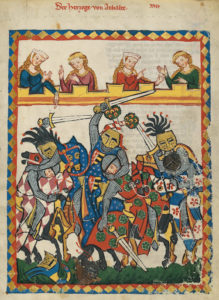
Codex Manesse, UB Heidelberg, Cod. Pal. germ. 848, fol. 17r, “Herzog von Anhalt”, 1305-1315. Public Domain in the United States

British History Podcast Review

The British History Podcast
“History the way it is meant to be heard”
By Jamie Jeffies
https://www.thebritishhistorypodcast.com/

Editor’s note: Share your favorite podcast with The Falcon Banner. Send your review to rex.deaver@gmail.com.

This is an interesting podcast that I just began listening to, so I’m still in the period of the Roman occupation of Britannia. It’s a period of England’s history I know less about, so I can’t speak to Jeffries’ accuracy, to whether he glosses over too much or leaves essential bits out. Perhaps when I get to the Anglo Saxons I’ll have a better idea of how accurate he is. But so far he hasn’t said anything I know was incorrect. And his approach is engaging, so I’ll keep listening. Jeffries began his podcast in May 2011 and currently is at episode 265.

Jeffies is a Brit with an American accent. He was born in the UK but grew up in the states. I’ll be listening along, lulled by his accent into forgetting this until he says  something about “here” or “just a few miles from my home,”  suddenly reminding me that he’s British.

Jeffries explained that he learned history at the knee of his grandfather, who told him tales of the land of his birth. Jeffries wants to make history that interesting for his listeners, and I think he succeeds to some extent. It may not be the thrilling tales he learned as a child, but it moves along at a decent clip.

He began with Ice Age Britain, spending an episode looking at what we know from paleontology and archeological finds. The next few episodes look at Julius Caesar’s trips to Britannia, then other Roman emperors’ interactions, and of course on to Claudius. By episode 22 we’re up to the crisis of the third century and the rebellions in Gaul. This should give you an idea of how fast (or slow) the podcast is moving.

Jeffies likes to include the archaeological record, sometimes disputing accepted canon. He’ll note that the number of people killed in a certain battle has to be wildly exaggerated. After all, where are the bodies? He also looks at the various walls built, noting when they were abandoned, reoccupied and so forth, to determine if the northern tribes might have made inroads at certain times.

Jeffries also throws in comments about pop culture, mentioning movies that cover this period of history. (For example, he loves Gladiator and hates The Eagle). He also discusses problems with the historical record or competing theories about how or why something happened. His discussion of the disappearance of the 9th Legion should be of interest to a lot of folks.

And he interacts with his listeners. Like many podcasters, he asks for and answers questions submitted on Facebook or his webpage. Or he says something to acknowledge others might disagree with him. When he describes how Scotland’s rocky, hilly landscape full of waist-high thistles made the area less appealing to the Romans, he’ll make a comment like, yes, Tom, I know the north is beautiful, but that wasn’t why the Romans wanted to go there.

Jeffries’ primary fundraising is through monthly memberships on his website. For $4.99 a month members receive access to members-only episodes, timelines, transcripts and members-only boards. For example, members-only episodes offered during the early time period I’m listening to include one on Celtic literacy and another on the Hallstatt culture. I haven’t done this, but might. He has at least 90 members-only podcasts available by the 10th century.

The website also has some value. There’s a good list of sources, a massive family tree of early English rulers, and maps. There are maps of Britannia during different eras, Anglo-Saxon migrations, the locations of various battles and where Hadrian’s wall was.

My only real complaint is his choice of music. During one battle between the Romans and Celts he played some kind of stylized Native American music – not real Native American music, but some kind of odd take that involved a lot of screeching. At other times he plays 21st century music that’s a bit jarring. One time he just played cows mooing to indicate nothing was happening in Britannia. And some of his episodes are quite short. When you wait two weeks for something, it would be nice if it was more than 20 minutes long.

The British History podcast currently is in the early 10th century, just after the battle of Tettenhall.


On This Day: February 13, 1542. Catherine Howard Beheaded

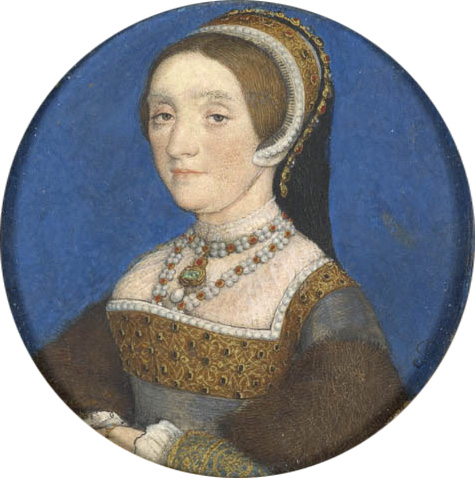
Catherine Howard – by Hans Holbein the Younger, circa 1540

On this day in 1542, King Henry VIII of England has his fifth wife, Catherine Howard, beheaded after two years of marriage.

Henry’s historic mid-life crisis, which culminated in his marrying a teenager 30 years his junior, had given England five queens in a dozen years and three heirs that will cause religious strife in years to come.

On This Day: February 7, 1497. Bonfire of the Vanities

Portrait of Girolamo Savonarola, circa 1497-1498

On this day in 1497, Dominican friar Girolamo Savonarola and his supporters burned thousands of objects that were condemned as sinful. This included mirrors, cosmetics, fine clothing, playing cards, musical instruments, books, paintings and sculpture.

This was the best known, but not the only, or even the first such burning. They were known in Italian as falò delle vanità, or bonfire of the vanities

Name and Location Resources

The question has once more been raised about including location information with the court summaries that Dorcas posts to the Falcon Banner.
 
We always link names in the post to 1) http://calontiri.wikispaces.com/ or 2) http://op.calontir.org/ in order to provide that information.
 
I want to encourage everyone to keep these two sources updated.

For the Calontiri Wikispace page:

For the Calontir Order of Precedence page:
Our Kingdom is large in both numbers and geography. Keeping these resources updated can help us stay connected to each other.

Clothiers Seminar Court Summary, February 3, A.S. 52

In evening court:
Gráinne inghean Uí Ghallchobhair – AoA
Adelaide Sarsfield – Leather Mallet
Alis of Inishowen – Torse
Sólveig Melrakki – Torse
Zoë Mikre – Calon Lily
Ylva Jonsdottir – Laurel

Other court tidings:
The Shire of Cúm an Iolair presented largess.
5 newcomers received mugs.
A boon was begged for Alianora Jehannette des Amandiers to join the Order of the Laurel.

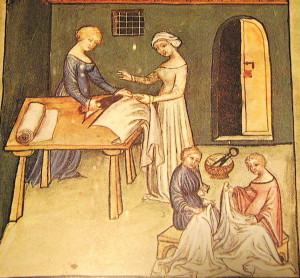
Four women sewing linen clothes. From The Tacuinum Sanitas of Vienna, Late 14th century. Public domain in the US