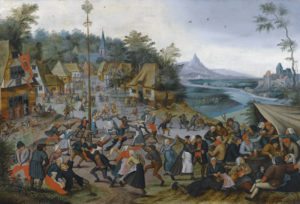
St. George’s Kermis with the Dance around the Maypole
Today begins the 61st year of the Society for Creative Anachronism! Be sure to set your scrolls forward to A. S. LXI.

St. George’s Kermis with the Dance around the Maypole
Today begins the 61st year of the Society for Creative Anachronism! Be sure to set your scrolls forward to A. S. LXI.
St. George’s Kermis with the Dance around the Maypole
Today begins the 60th year of the Society for Creative Anachronism! Be sure to set your scrolls forward to A. S. LX.
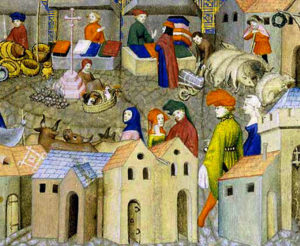
The Fair of Champagne, c. 1400
On Saturday December 14th, the Barony of Forgotten Sea is pleased to present
Kris Kinder ~ A Winter Marketplace
Come support our talented artisans!
Please visit our event website at:
https://sites.google.com/site/kriskindermarket/welcome
Merchant registration is now open!
Information concerning Merchanting and the Merchant Registration can be found:
https://forms.gle/jp9SneagCev1zoPWA
Question concerning Merchanting at Kris Kinder may be sent to:
kk_merchantcoordinator@bfs-kc.org
In addition to the Marketplace, Kris Kinder will also be hosting other activities such as Meetings and Vigils.
To request a meeting be added to the schedule, please use the following form:
https://forms.gle/Bo1Q4tazp8DQxjdm8
Questions regarding meetings and vigils at Kris Kinder may be sent to:
kk_meetingcoordinator@bfs-kc.org
Honorable Lady Brangwyn Steward
Event Steward
Lady Rolanda de Lyndhurst
Merchant Coordinator
Her Grace Ylva Jonsdottir
Meeting Coordinator
Today begins the 59th year of the Society for Creative Anachronism! Be sure to set your scrolls forward to A. S. LIX.
St. George’s Kermis with the Dance around the Maypole
The Fair of Champagne, c. 1400
Here are the merchants who will be at Kris Kinder Market this year. This list, plus a map of the merchant area, may be found on the Kris Kinder website under the “Merchant Info” heading on the left side of the page.
Gymnasium
1. Black Raven Trading – Furs, sheep skins, horns
2. Bunny Love Pottery/Laughing Bear – Hand thrown pottery, wooden shields
3. Odds and Ends – Books, jewelry, camp brooms, camp stuff, garb, small wood boxes
4. Irate Pirate Arms Company – Weaponry
5. Gulf Wars Equestrian Fundraiser – This table is a fundraiser specifically focused on the Gulf Wars equestrian area of the Kings Arrow Ranch.
6. Hobbitronics – Fine garb from the heat of Rome to the cold of the Rus.
7. Griffon Made -Hand-crafted bags, purses, and garb; armor by Valens.
8. knOtter’s Den – silver jewelry, fiber tools & goods, leather bags, linen & wool hoods
9. North Star Armoury Viking, Anglo Saxon, & Medieval jewelry & accessories.; books.
10. Please Touch Pottery – Pottery
11. Rabbit Patch Studio – Ethnic jewelry, fibers for spinning
12. Panther’s Den – Semi-precious stone, vintage glass, horn, wood, bone, earrings & jewelry.
13. Barony of Coeur d’Ennui – SCA related donated items to raise money for the Barony
14. Three Cats Dancing Designs – Glass Beads and Jewelry
15. Read It Again Books – Used books
16. Leofwyna’s Feast Kits & Bits – Feast Kits, flatware, & SCA appropriate items
17. Catastrophic Ceramics – Pottery, some original notepads & chainmaille jewelry
18. Weave It Bee – Tablet Weaving, Nalbinding
19. Cocoa Blooms – Chocolate bombs
20. Moire’s Rummage Sale – Assorted SCA related items
21. WillaWonders – Temari, ornaments, gnomes, crochet
22. Stormdragon Works, LLC – Custom arrows, archery accessories, and leatherwork
23. AJ’s Carving & Woodshop – Hand carved wooden spoons. Hand carved &painted wooden Santa’s
24. Bunisher Metal and Art Works – Knives & axes for throwing, cut & thrust swords, medallions, wood art, & more
25. Golf Cart Fundraiser – Reference books
26. Silvermoon Creations – Silver jewelry and wood products
27. Ivory Isis Herbals – Herbal beauty, bath, body, and home goods products
28. WB Fine Art – Personalized Historical portraits on commission. Free consultations for commissionable pieces at Booth.
29. Scrap Ends – Fabric, books and shiny things
30. Once in a Blue Moon – Middle Easter Jewelry and accessories
31. Avalon Oddiments – SCA Garage Sale, gently used garb, feast gear, books; some knitted items
32. Little Otter Textiles – Woven goods, alpaca wool and felted goods
33. St. Crispin’s workbench – Leather work and bulk leather
34. Thistlewood Manor Soap – Handmade soap, shampoo soap, tiger balm, lotion bars, soap bags, nalbound hats, wood combs
35. Vault of Valhalla – Costume jewelry
36. W&J Bows and Stuff – Longbows, Quivers, Arm guards, Leather pouches
37. Lyon Fur – Genuine quality furs at an affordable price
38. Under The Oak – jewelry, wooden ware, pyrography, misc.
39. Two Baronesses – Buttons, other small findings, winingas, hoods, hats
40. Made with Feelings – Blown glassware
41. Felix and Grete’s Fantastic Fancies – Viking Weave & Chainmail Jewelry, Jams & Salsa
42. Thorviks’ – LEATHER SIDES and sheep skins
43. Hot Tempered Glass – Lampwork beads, Jewelry, art
44. Aesc & Thorn – Books, chairs, and fiber supplies
45. Rockhound Wraps – Wire-wrapped minerals and gemstone jewelry
46. Raven’s Wing Clothing – Witch kitties, notebook covers, some pieces of children’s garb, self-published weaving pattern book
47. Batilda’s Budget Eclectic Baubles, Etc – Wool dryer balls & cat toys, Norse brooches & horn combs, cheap spindles & carders
48. Lobster Rose Pottery – Handmade, medievally inspired pottery
Atrium
A1. BlackWater Treasures – all things fiber – yarn, roving, batts, etc
A2. Painted Sky Pottery and Hildebrandt’s Treasures – Pottery
A3. Cat Man Do Designs – Woodcut Blocks for Block Printing
A4. Munitions Grade Arms – Rattan, Helms, Armor, Fighting Supplies
A5. Jane’s Sewing Machine Sanitarium – Rehabilitated vintage & antique sewing machines at reasonable prices.
Today begins the 58th year of the Society for Creative Anachronism! Be sure to set your scrolls forward to A. S. LVIII.
St. George’s Kermis with the Dance around the Maypole
Today begins the 57th year of the Society for Creative Anachronism! Be sure to set your scrolls forward to A. S. LVII.
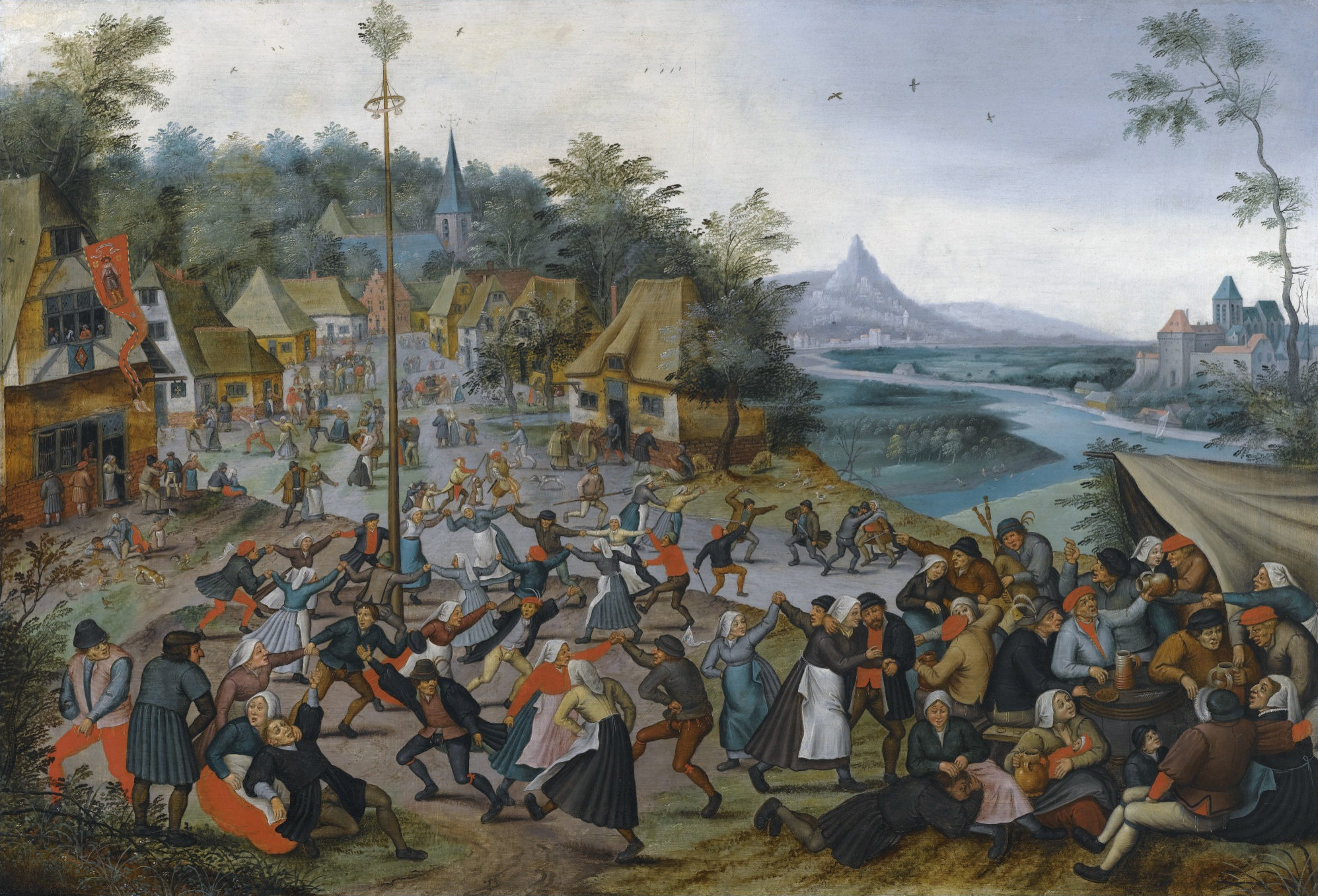
St. George’s Kermis with the Dance around the Maypole
 This is a reminder for bids!! This is not limited to the artisans of B3R. January 9th is the current deadline for these so encourage a friend!
Their Excellencies of Three Rivers ask you to turn your talents to the creation of Coronets worthy of our Barony. Their Excellencies call forth any interested artisans or teams of artisans, combining their various Skills and Talents, to present a bid based on the following specifications.
Design: A distinct, original design worthy of Three Rivers, executed in a style preferred by the artist. Design must reflect Three River’s unique culture and incorporate Three River’s device or elements of the device within the overall design. Designs based on historical examples are preferred over fantasy inspiration. Design must allow for some means to adjust fit to suit a variety of head sizes.
If you are interested, please message me for additional details and bid requirements! I look forward to hearing from you!
In Service,
Lady Nadya Helming
Source: Laws of the Kingdom of Calontir, 13th Edition 3/4/2006
Plus changes dated: 08/25/2007 12/06/2008 03/28/2009 12/12/2009 01/09/2010
Appendix III: The Sumptuary Laws of Calontir
AIII-301 CROWNS and CORONETS
TERRITORIAL BARONAGES may wear coronets of gold embellished with six spheroids or pearls, with simple ornamentation, and the overall height not to exceed two and one-half (2 1/2) inches.
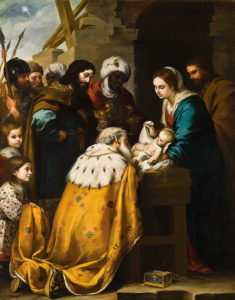
Adoration of the Magi by Bartolomé Esteban Murillo
As it grew dark on Christmas Eve and people filed into church for the Vespers service, the late afternoon/evening service now held around 4 pm, the Christmas season officially began for medieval folk, at least for those in the Christian West.
Unlike us, who begin our Christmas season before the holiday, at Thanksgiving or even earlier, our medieval counterparts began the season with the religious events surrounding Christmas Eve and Christmas Day. Decorations were put up right before Christmas, often on Christmas Eve. I imagine our medieval alter-egos would have frowned on the concept of decorating to celebrate the birth of Jesus before Advent even began.
We live in a secular country that notes holidays like Ramadan and Yom Kippur on its calendars. It’s hard to truly comprehend how much religion and the Christian liturgical calendar were part of everyday medieval life. For the common folk the liturgical calendar was more important than the Julian calendar. Letters were dated by the holy day or week, for example “written on St. Catherine’s Day” or “on the Saturday before Ash Wednesday.” Few used the complicated Roman calendar to date personal correspondence (“vij kalendas Februarias”). Everyone knew when Holy Rood Day or Michaelmas was.
The first day of Christmastide, December 25, was followed by the second day, the Feast of St. Stephen, then the third day, the feast of St. John the Evangelist, and so on. On the evening before the twelfth day of Christmas, January 5, the celebration of Epiphanytide began. The Feast of the Epiphany, which celebrated the visit of the three wise men, or three kings, to the baby Jesus, also celebrated the baptism of Christ during SCA period and to a lesser extent, the miracle at the wedding at Cana. It ended eight days later, on January 13.
Christmas, Epiphany, Lady Day, All Saints’ Day, the feasts of the Ascension of Christ and the Assumption of the Virgin Mary are some of the most important Church holy days, known as Solemnity Days. These days outrank regular saints’ days and memorials. The celebration of Solemnity Days always began the day before, at Vespers.
All these Christian holy days, which is, of course, where our word holiday comes from, were part of the liturgical calendar for the year. Some, like Christmas, were fixed dates. Others, like the first Sunday of Advent, were moveable dates that were computed from when another Church holiday fell on the calendar. Easter, that most complicated Church holiday, determined when many of the other church events took place. I suspect that most people didn’t worry about computing each year’s calendar and simply let their churchmen tell them when to feast and when to fast.
When exactly did Christmas end? Christmastide ended on Twelfth Night. Shakespeare mentions people taking down the Christmas decorations on Twelfth Night. If you include Epiphanytide, you extend the holiday season another week. But in some places they remove Christmas decorations on Candlemas Eve (Feb. 1), and some calendars describe Feb. 1 as the end of the Christmas season. Christians believe February 2 is when Jesus was presented in the Temple and when Mary was purified, so continuing the season of the birth of Jesus until February 2 has some logic to it. However, it seems to be more of a post-SCA period practice.
So what happened after Epiphanytide? The weeks between major Church events were known as Ordinary Time. These weeks were numbered, from one to 34, and usually began the Monday after a significant church time period. For example, Ordinary Time begins on January 14, the day after the end of Epiphanytide, with the first Sunday of Ordinary Time on January 20 this year.
Below is part of a reconstructed medieval liturgical calendar. Since my persona is 12th century English, it represents the holidays and saints’ days my persona would have known.[i] It covers the time from the birth of Jesus to his presentation in the Temple.
Reconstructed Medieval Liturgical Year
Constructed Using 2018-2019 as the Example
Dates marked with (M) are moveable feasts or days of worship. Dates in bold are Solemnity feasts[ii], Church events deemed more important than regular feast days. Optional or obligatory memorial observances are in italic.
| Christmastide (beginning of a week off for the peasantry) | |||
| Christmas/Feast of the Nativity of Jesus Christ | Dec. 25, 2018 | ||
| Feast of St. Stephen | Dec. 26 | ||
| Feast of St. John the Evangelist | Dec. 27 | ||
| Childermas (Feast of the Holy Innocents) | Dec. 28 | ||
| St. Thomas Becket (from 12th century) | Dec. 29 | ||
| Feast of the Circumcision (eight Roman days after Christmas) | Jan. 1, 2019 | ||
| Twelfth Night (eve of the 12th day of Christmas/end of Christmas) | Jan. 5 | ||
| Epiphanytide[iii] | |||
| Feast of the Epiphany (Visit of the Magi/Baptism of Christ) | Jan. 6 | ||
| End of Epiphanytide | Jan. 13 | ||
| Ordinary Time (ordinal – the counted weeks)[iv] | Jan. 14 | ||
| (Begins on January 14 this year) | |||
| First Sunday of Ordinary Time | Jan. 20 | ||
| Second Sunday of Ordinary Time | Jan. 27 | ||
| Candlemas/Feast of the Presentation of Christ/Feast of the Purification of the Virgin | Feb. 2 | ||
[i] Modern liturgical calendars have additional holy days or have removed or added saints’ days. For example, the celebration of the baptism of Jesus is now held on the Sunday after Epiphany in the Roman Catholic Church.
[ii] Solemnities replace Sunday services when they fall on a Sunday. Celebration of Solemnity feasts begins the night before at Vespers.
[iii] Modern church calendars consider Epiphanytide a subset, or part of, Christmastide.
[iv] Ordinary Time runs from the Monday after the Sunday that follows Epiphany (January 13 this year) to the Tuesday before Ash Wednesday (March 5 this year), then resumes on the Monday after Pentecost Sunday (June 10 this year) and concludes before First Vespers of the First Sunday of Advent (Dec. 1 in 2018).

We often think of the Battle of Agincourt from the English perspective; Henry V’s St. Crispins Day speech is just one of the mental images that Shakespeare indelibly etched on the history of that event, for better or worse.
By contrast, THL Lorraine Devereaux provides us with a collection of observations by a knight who was there — the French knight, Jehan de Wavrin. (The excerpts are from the book Eyewitness to History, by John Carey)
You must be logged in to post a comment.